The Android Revolution You Can’t See: How RISC-V is Breaking ARM’s Monopoly
How RISC-V is Rebuilding Android from the Inside Out
Metadata:
🟡 Level: Intermediate
⏱️ Reading Time: 10 minutes
🏷️ Topic: Mobile Hardware, Open Source
1. The Breaking Monopoly
If you bought a high-end Android phone over the last decade, you didn’t really have a choice about what was powering it.
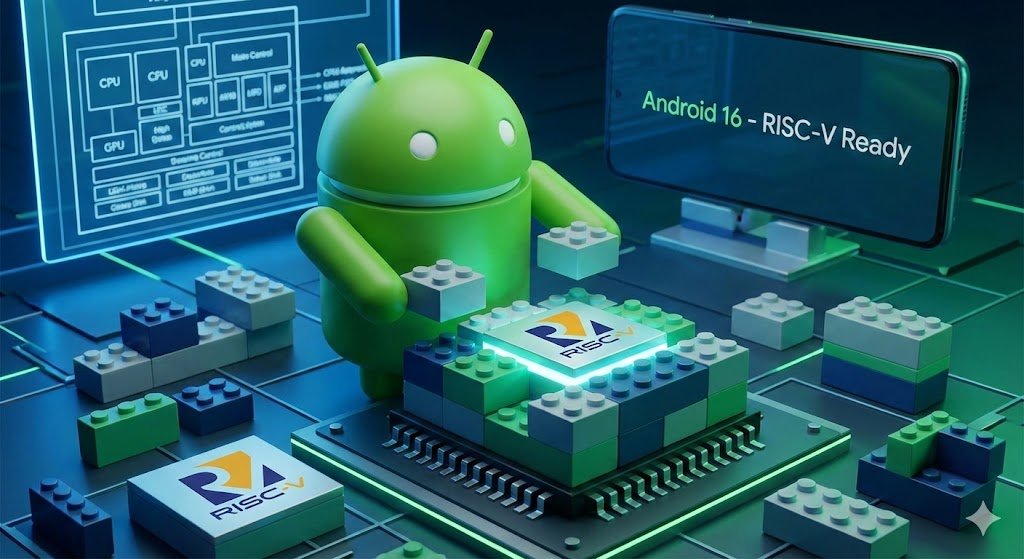
Whether it was a Samsung Exynos, a Qualcomm Snapdragon, or Google Tensor, the fundamental “brain” structure—the language the chip speaks—was owned by one company: ARM. But in 2026, that monopoly is officially cracking.
2. The Android 16 Milestone
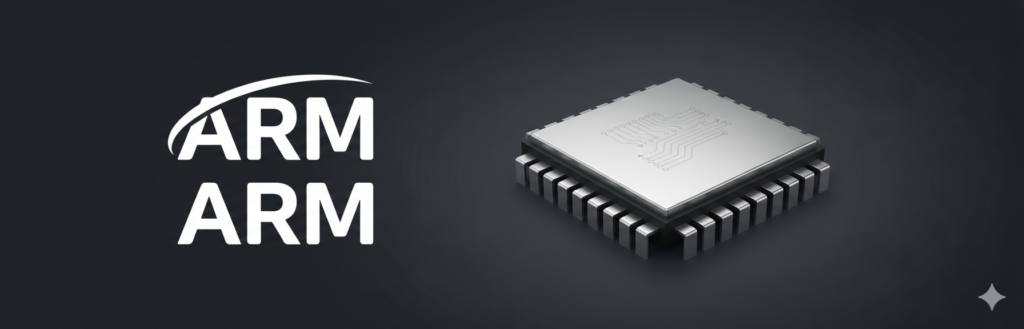
With the rollout of Android 16, Google has quietly completed one of the biggest under-the-hood engineering feats in the platform’s history: making Android fully fluent in a new chip language called RISC-V (pronounced “risk five”).
This isn’t just a minor tweak; it’s a foundational shift in how our devices are built. Here’s why the “RISC-V revolution” is the most important Android trend you can’t see—and why it matters for your next device.
3. Why This Matters to You
Before diving into the technical details, let’s talk about what this means in your pocket:
Cheaper Devices
No ARM licensing fees means manufacturers save money on every chip. Those savings can translate to more affordable phones and tablets—especially in emerging markets where price matters most.
Innovation Explosion
When anyone can design a chip without paying gatekeepers, experimentation explodes. Expect weird, wonderful devices we can’t even imagine yet—from specialized gaming phones to ultra-efficient e-readers with week-long battery life.
Better Battery Life
Custom chips designed for specific tasks waste less power. A RISC-V smartwatch chip doesn’t carry unnecessary baggage meant for flagship phones, so your wearable lasts longer between charges.
Real Competition
Breaking ARM’s monopoly means more chip manufacturers enter the game. More competition drives faster innovation, better performance, and companies actually competing for your business.
Open Source Philosophy Wins
For Linux and open-source enthusiasts, RISC-V represents the final piece of the puzzle: a fully open computing stack from silicon to software, with no corporate gatekeepers.
4. The “Corporate Language” vs. The “Open Language”
To understand why this shift is happening, think of the processor inside your phone as having its own native language. Every app you use, from TikTok to Gmail, has to be translated into this language for the phone to understand what to do.
For years, the only viable language was ARM. Think of ARM like a proprietary, corporate language. It works incredibly well, but if a chipmaker wants to build a chip that speaks it, they have to pay a “language tax” to the owner. ARM’s licensing model is tiered—most manufacturers pay 1-2% royalty per chip sold, though companies like Qualcomm who heavily customize their designs pay significantly more. At billion-unit scale, those percentages add up fast.
Furthermore, chipmakers aren’t allowed to fundamentally change the language without permission. They’re renting access to someone else’s foundation.
5. Why RISC-V is Different
RISC-V is like English or Spanish—it doesn’t belong to a corporation; it belongs to everyone. It’s an open standard maintained by a nonprofit foundation. Any company—Google, Samsung, or a startup in a garage—can use this language to build a chip for free. No licensing fees. No royalties. No asking permission.
💡 Did you know? RISC-V is pronounced “risk five,” not “risk vee.” The V is the Roman numeral 5, representing the fifth generation of RISC (Reduced Instruction Set Computer) design that emerged from UC Berkeley in 2010.
By moving Android to support RISC-V, Google is telling the industry: “You don’t have to pay the language tax anymore.” This opens the door for cheaper devices and vastly more competition in the hardware space.
6. The “Lego Brick” Approach to Building Chips
The second major benefit of RISC-V is flexibility, which is crucial right now as everything from our watches to our glasses becomes “smart.”
Traditional chip architectures have often been like buying a pre-glued model airplane kit. You get the whole package, including parts you might not need. If you’re building a simple smartwatch, you might still be forced to use a big, power-hungry chip design simply because that’s what was available in the “kit.” This wastes battery life and precious space.
7. Modular Innovation
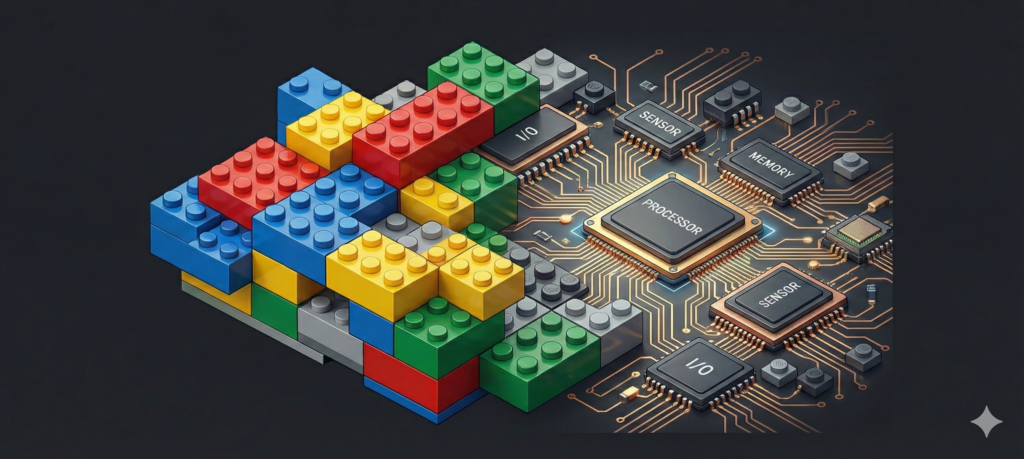
RISC-V is like a bucket of Lego bricks. Because it’s open and modular, chip engineers can pick exactly the bricks they need and ignore the rest:
Powerhouse Gaming Phone:
Dump out the whole bucket and build a massive structure with advanced AI acceleration, ray-tracing graphics, and multi-core processing power.
Slim 2026 Smartwatch:
Just take the 10 essential bricks you need for basic tasks—timekeeping, heart-rate monitoring, notification handling—and assemble a tiny, super-efficient processor that sips power.
Smart Home Hub:
Build something in between—enough processing for voice commands and automation, but nothing wasted on 4K video decoding you’ll never use.
This modularity isn’t just theoretical. Companies like Alibaba’s T-Head division are already shipping RISC-V chips optimized for specific tasks, and the results are impressive.
8. The Universal Translator: Will My Old Apps Work?
The biggest question whenever a computer platform changes its brain is: “Will all the software break?” A decade ago, this would have been a disaster. But today, Android has a secret weapon.
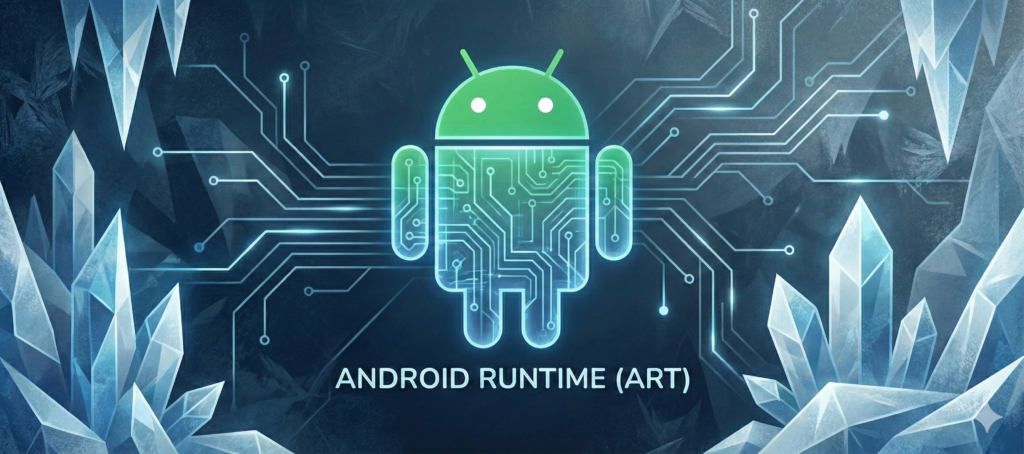
When a developer writes an Android app, they usually use languages like Java or Kotlin. Some also write performance-critical code in C/C++ using the NDK (Native Development Kit) for things like games or video editing. The phone then uses an internal translator—called the Android Runtime (ART)—to convert those apps into the native language of the chip in real-time.
9. Invisible Transition
For this 2026 transition, Google didn’t ask developers to rewrite their millions of apps. Instead, they just taught the “translator” a new language. They rebuilt the back-end of the Android Runtime so that it can seamlessly translate existing apps into RISC-V instructions.
🔧 For Developers: If you’re building Android apps with Java/Kotlin, you’re already RISC-V-ready without lifting a finger. If you use the NDK for native code, Google provides RISC-V emulators so you can test compatibility now and future-proof your apps.
For the end user, the transition is completely invisible. You won’t need to update your apps. You won’t see compatibility warnings. Everything just works.
10. RISC-V and Linux: The Desktop Connection
While Android 16 makes headlines, RISC-V’s biggest fan has always been Linux. The kernel has supported RISC-V since 2017, and major distributions like Ubuntu, Fedora, Debian, and Arch already run on RISC-V hardware.
What This Means for Desktop Linux Users:
ARM Alternative
As Apple’s M-series chips dominate consumer ARM computing, RISC-V offers an open alternative without corporate control. No licensing negotiations, no ecosystem lock-in.
DIY Hardware Revolution
The maker community is already building RISC-V single-board computers—think Raspberry Pi alternatives you can truly own and modify at the silicon level. Projects like the BeagleV and StarFive VisionFive 2 are just the beginning.
Server Transformation
Cloud providers are experimenting with custom RISC-V server chips optimized for specific workloads. Amazon, Alibaba, and others are testing chips that do exactly what they need and nothing they don’t—driving efficiency and cutting costs.
True Computing Freedom
For the first time in computing history, you can have a fully open stack: open silicon (RISC-V), open firmware (coreboot/U-Boot), open kernel (Linux), and open userland (GNU/systemd/etc.). No proprietary bottlenecks. No corporate gatekeepers from transistor to desktop.
The Android 16 move validates what Linux enthusiasts knew all along: RISC-V isn’t just viable—it’s the future of computing freedom.
11. What to Watch in 2026
⚠️ Reality Check: Don’t expect your next flagship Samsung Galaxy or Google Pixel to run RISC-V in 2026. ARM is still king for high-performance mobile chips, and that won’t change overnight. But the foundation is being laid for something bigger.
First RISC-V Android Phones
Likely from Chinese manufacturers like Alibaba’s T-Head division or startups targeting emerging markets. Expect budget and mid-range devices first.
Wearables Explosion
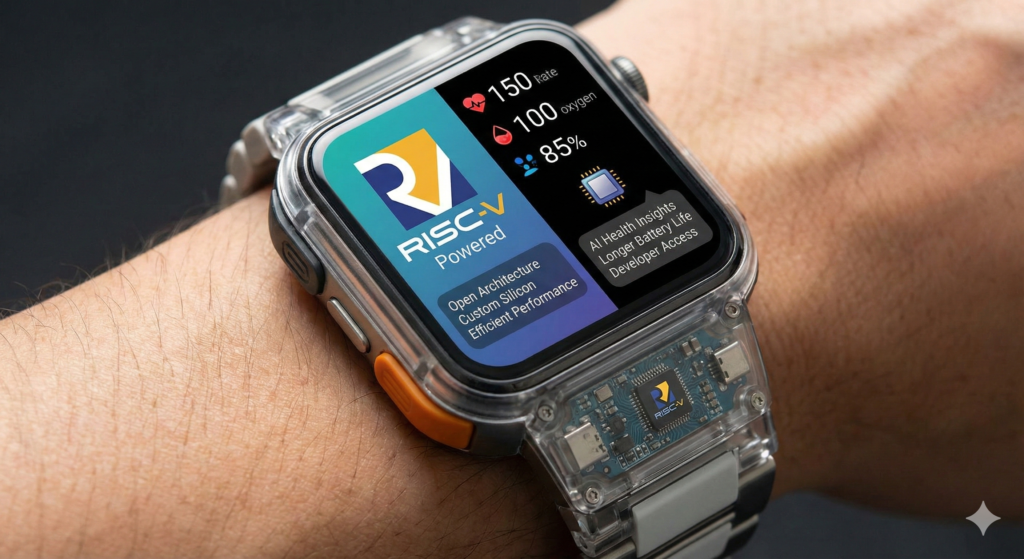
RISC-V smartwatches, fitness trackers, and earbuds will hit the market in 2026. This is where the “Lego brick” advantage shines—custom chips for specific tasks.
Google’s Developer Device?
Rumors suggest Google may release a RISC-V development board or reference device for app testing. Watch Google I/O announcements.
Budget Tablets First
Keep an eye on sub-$200 Android tablets. RISC-V’s cost advantage makes it perfect for education and emerging market devices.
Framework’s RISC-V Module?
The modular laptop company has hinted at experimentation with alternative architectures. A RISC-V mainboard would be the ultimate open computing device.
Server Deployments
Behind the scenes, data centers will quietly begin deploying RISC-V chips for specific workloads—content delivery, caching, network processing.
Your Move as a Consumer:
You probably won’t buy RISC-V hardware in 2026, but start paying attention to the names entering the market. By 2028, RISC-V could be everywhere.
12. The Bigger Picture
The shift to RISC-V isn’t going to happen overnight for flagship phones. Your next Galaxy S or Pixel will likely still use an ARM-based chip. But the foundation has been laid.
In 2026, we’re seeing the floodgates open for specialized hardware—smart home hubs, advanced wearables, budget tablets, and IoT devices—powered by these open “Lego” chips. It’s a shift toward an Android ecosystem that’s less reliant on a single gatekeeper and more open to radical hardware innovation.
The takeaway: You won’t see “RISC-V Inside” stickers on flagships this year, but the foundation is being poured. The monopoly is cracking. And by 2028, the Android landscape could look completely different.
Under the Hood: Technical Glossary
| Technical Term | Simple Definition | Why It Matters in 2026 |
|---|---|---|
| ISA | Instruction Set Architecture—the “contract” between software and hardware | Defines the basic commands a CPU understands |
| RISC-V | An open-source, royalty-free chip architecture | Allows for cheaper chips and more hardware competition |
| rva22 Profile | The “baseline” set of features for Android RISC-V chips | Ensures all RISC-V Android phones can run the same apps |
| ART Backend | Android Runtime—the internal “translator” for apps | Allows old apps to run on new RISC-V chips automatically |
| ABI Stability | Application Binary Interface—a stable “handshake” between code and OS | Gives developers confidence to build high-end games for RISC-V |
| NDK | Native Development Kit—tools for writing C/C++ Android code | Performance-critical apps that need RISC-V testing |
| ARM Holdings | British company that licenses ARM chip architecture | The monopoly RISC-V is challenging |